STORIES
WATCH
Get inspired by these amazing stories about innovative social action across generations. Check back for stories we are currently gathering from the field.
READ
Clowns, Reverse Boycotts, and Involuntary Walkathons: How Communities are Making Political Violence Backfire by: Maria J. Stephan
Case Study: Grand Traverse County, Michigan (December 2022) by: Bridging Divides Initiative
How Rural Oregonians on the Frontlines have Successfully Organized by: Rural Organizing Project
Nashville Lunch Counter Sit-Ins: “We Were Warriors” excerpt from A Force More Powerful
Under Alfredo Stroessner’s authoritarian rule in Paraguay, the Catholic Church underwent a dramatic shift from collaborator to critic. Influenced by the Second Vatican Council and the Medellín Conference, bishops began reframing the regime’s violent repression of indigenous peoples as a human rights crisis.
In response to Hungary’s growing authoritarianism and repression of public education, the Tanítanék teachers’ movement launched a bold wave of civil disobedience beginning in 2022. After several teachers were fired for striking, tens of thousands of educators, parents, and students mobilized across Budapest to reframe the crackdown not as a labor dispute but as a fight for democracy itself.
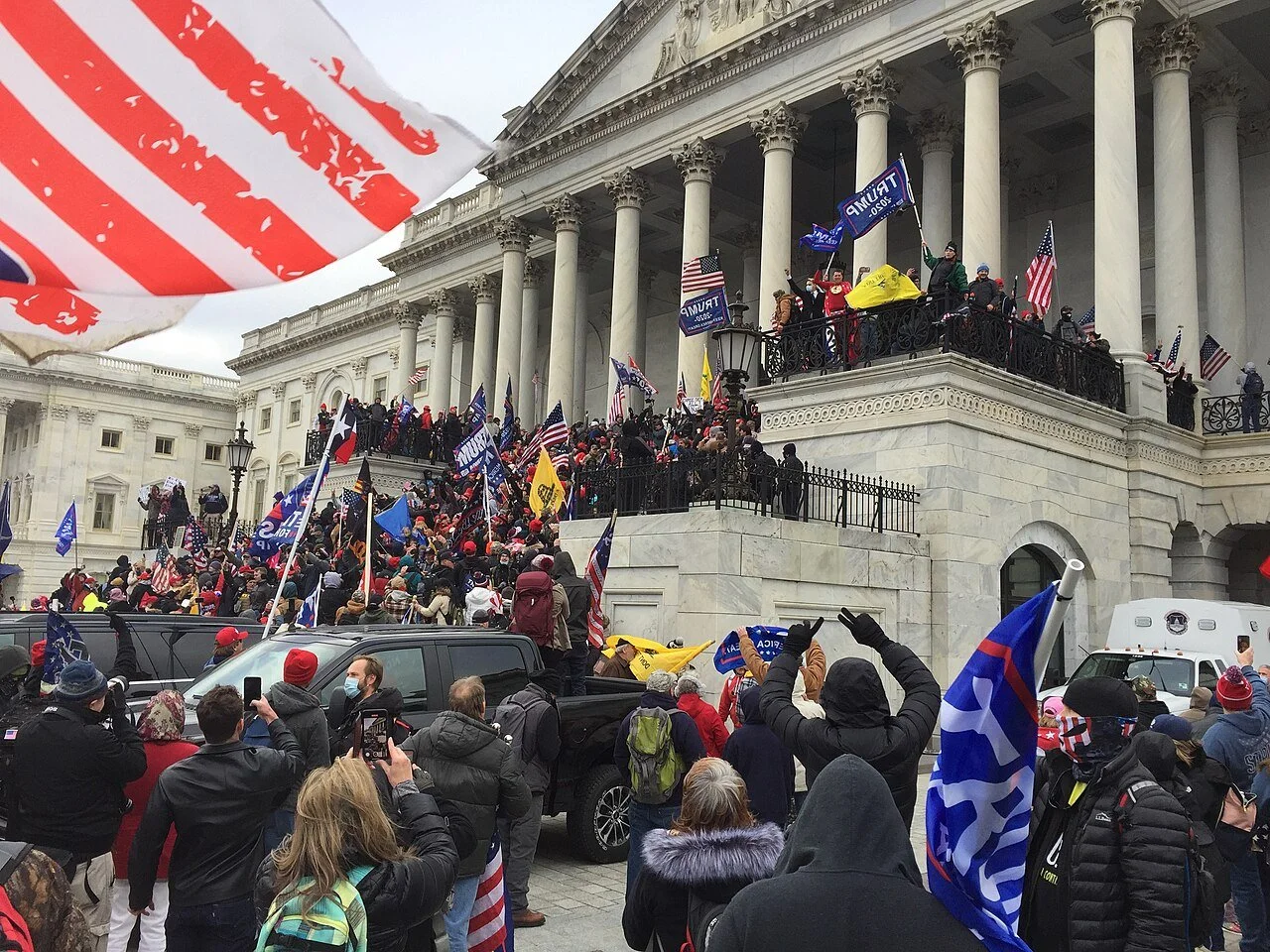
In the immediate aftermath of the January 6, 2021 insurrection, religious leaders across the United States moved swiftly to reframe the events as not just political unrest, but a moral and democratic crisis. Leaders from numerous faith traditions condemned the violent attack on the Capitol, denouncing it as a betrayal of American democracy and a perversion of religious values.
A bipartisan group of Wisconsin business leaders formed the Wisconsin Business Leaders for Democracy to counter misinformation and protect the integrity of elections following attacks on the 2020 results. Through civic engagement efforts like voter education toolkits, paid time off for voting, and letters of support for election officials, the group worked to redeem public trust in election workers and reframe partisan narratives that undermined democracy.
When the Joplin Area Chamber of Commerce faced backlash for supporting racial equity, local activists and businesses rallied in response. Through a Unity Walk and targeted outreach, they turned opposition into an opportunity to grow minority business membership and strengthen community support. The effort didn’t silence the Chamber—it emboldened their commitment to justice.
In 2014, after 27 years in power, Burkina Faso’s then president Blaise Compaoré sought to remove term limits so that he could remain in power indefinitely. While Compaoré had long functioned as a semi-authoritarian leader, removing term limits would have made a shift to democracy significantly more difficult. Sensing a unique (and fleeting) opportunity, the youth of Burkina Faso gathered together to lead a transformative protest movement which revealed the authoritarian nature of such a move and reframed a seemingly dire situation as an opportunity for the people to work together to make change by taking to the streets.
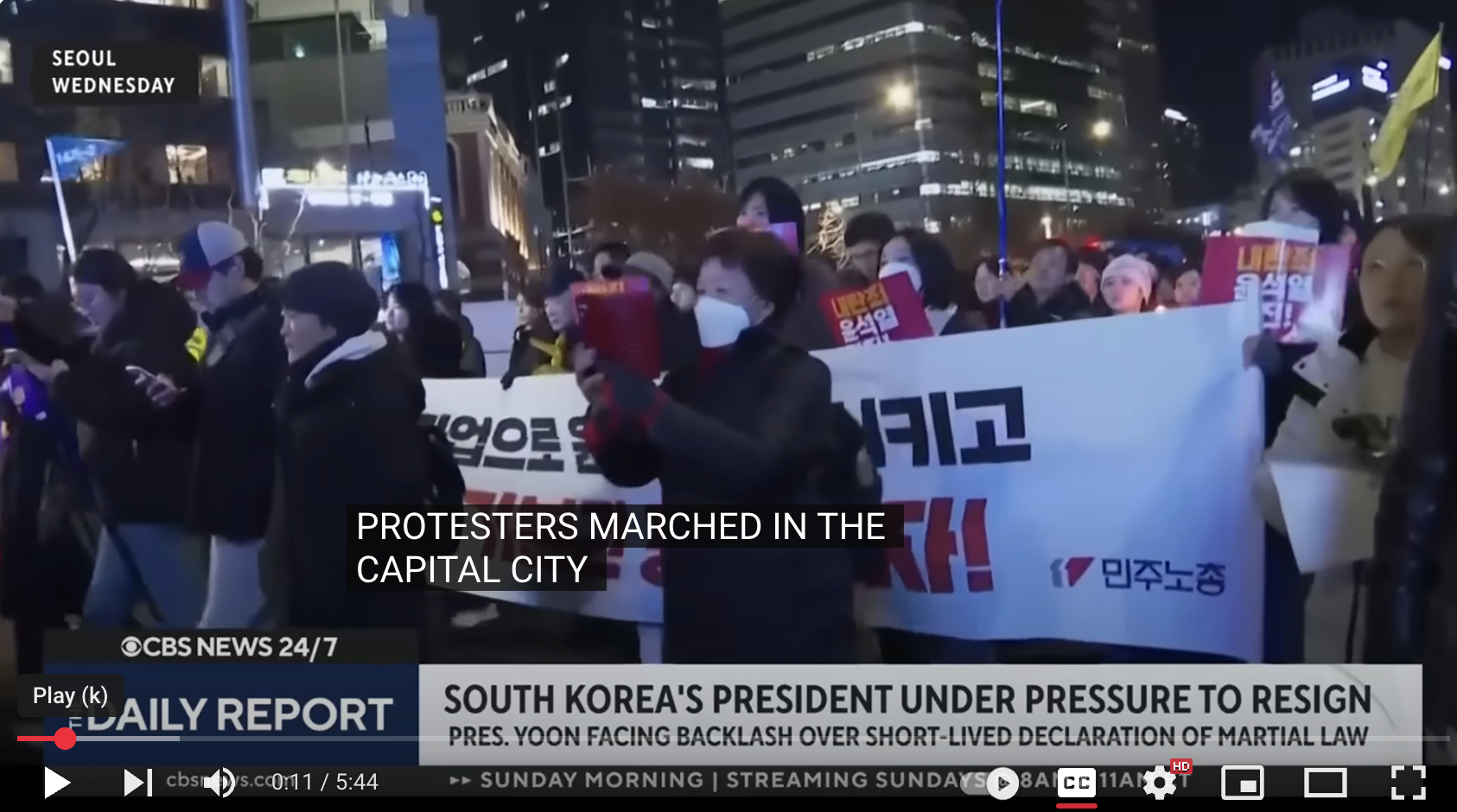
In a shock move in early December 2024, President Yoon Suk Yeol of South Korea declared martial law – banning all political activities, gatherings, and essentially any act of opposition to the government. While President Yoon’s authoritarian leanings were not secret, the abruptness of this development caught many South Koreans off guard. Nevertheless, they did not let the benefit of surprise undercut their opposition.
Sanctuary cities and faith-based spaces have a lengthy history in the United States, but they became a particularly contentious–and important–practice during President Trump’s first term. Donald Trump came into office on a wave of rhetoric demonizing undocumented immigrants and a commitment to increasing deportations. With the advance warning, a wide network of immigration activists, including many faith-based organizations, planned how they would meet the challenge.
The Standing Rock protests began in April of 2016 in response to the building of the Dakota Access Pipeline near the Standing Rock Reservation. While the protests remained peaceful, a mix of police, National Guard, and private security forces responded with violence, attempting to repress protesters. In response, the protesters shared footage of the violence across the internet. As the videos went viral, a wide coalition of actors – ranging from veterans to environmentalists or social justice activists – mobilized to defend the protesters and their cause.
On Just 1st, 2020, a few days after the murder of George Floyd, a crowd of nonviolent protesters were violently dispersed by a variety of law enforcement actors, clearing the way for then President Trump to pose for a photo-op in front of St. John's Church. The aggressive response, and the lack of warning to the protesters, was captured on live television and well documented via social media. As protestors and ordinary people sympathetic to their cause shared the videos across the internet, they brought widespread condemnation to the highly disproportionate acts and to the President for seemingly orchestrating them.
A week after taking office in 2017, then President Donald Trump issued the “Muslim Ban,” an executive order which immediately halted travel from seven predominantly muslim countries. As a result, people around the world were stranded in airports and legal residents of the US were being unlawfully detained by their government. The response was swift; a mass of people flooded to airports to show solidarity and reveal to the wider world the harmful and discriminatory nature of the act.
In 2019, Eli Bazan’s all-ages drag show in Colorado received an influx of hate mail that included death threats and plans to lock the doors and burn the building. In response Bazan stood guard at the event, and continued to do so at following events, recruiting a growing group of volunteers seeking to protect LGBTQ+ youth events and the families that attended them.
When residents of Enid, Oklahoma (population: less than 50,00) learned that the city had elected a person rumored to be a white nationalist to the city council, they organized. They formed the Enid Social Justice Committee (ESJC) and engaged in a campaign that shone a spotlight on the council member’s views and past actions. For months, through peaceful protest and sustained advocacy at city council meetings, their campaign garnered press attention for their revelations.